

- This event has passed.
Camden Philosophical Society: “The Last Messiah” by Peter Wessel Zapffe
Tuesday, April 21 @ 3:30 pm – 5:30 pm
The April 21st session of the Camden Philosophical Society will, as usual, be a hybrid gathering from 3:30-5:30 pm EDT on the third Tuesday of the month. All are welcome to participate, in-person at the Picker Room of the Camden Public Library or by Zoom. That goes for visitors, as well as year-rounders in Maine, and friends of the society wherever you may be.
If you wish to join via Zoom, please email sewright772@gmail.com. You will receive a Zoom invitation on the day of the meeting. Click on the “Join Zoom Meeting” link in that invitation at the time of the event.
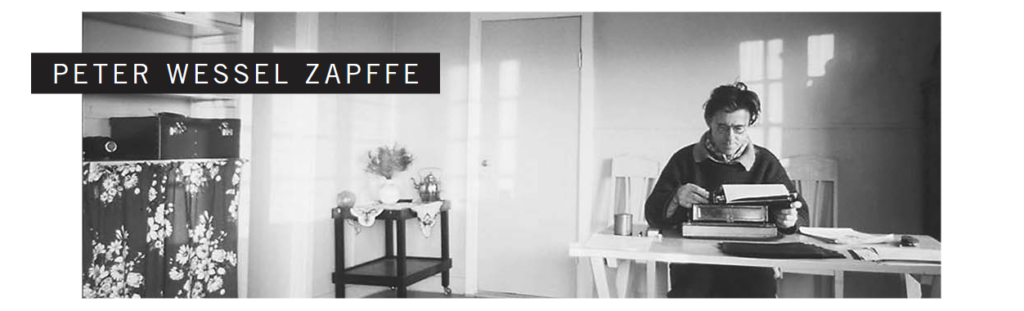
The discussion this month, led by Chuck Merecic, will continue to explore ideas from the early 20th century philosophers. The focus of this meeting will be the relationship – or lack thereof – between humans, nature, and our entire world as presented in the work of Norway’s earliest eco-philosopher Peter Wessel Zapffe (1899-1990). The subject materials will be an essay called The Last Messiah, as well as a satirical conversation titled Farewell Norway.
Subject material:
Chuck provides the following introductory comments:
As a follow up to last month’s engaging discussion about Roberto Calasso’s analysis of “The Last Days of Mankind,” by the Austrian playwright/journalist, Karl Kraus (1874-1936), we will turn our attention to another early 20th century European philosopher, Peter Wessel Zapffe (1899-1990). Considered to be Norway’s “earliest eco-philosopher”, Zapffe combined his interests in nature, mountaineering, and the philosophies of Nietzsche, Kierkegaard, and Schopenhauer to create a deep ecology critiquing the “the human tragedy” that prevents us from understanding our actual place in the world. For Zapffe, our overdeveloped consciousness is driving us toward extinction in much the same way that overdeveloped antlers caused the demise of the ancient Irish elk (Megaloceros giganteus)—too much of a good thing. Foreshadowing Albert Camus, Zapffe acknowledged the absurdity of the human condition in his essay, “The Last Messiah”. Against our pleas for unity with the rest of creation, Nature remains silent and withdrawn. With wit, and not a little pessimism, he argues that through our genius
“[m]an has lost his citizenship in the universe, he has eaten from the tree of knowledge and has been banished from paradise. He is powerful in his world, but he curses his power because he has bought it with his soul’s harmony, his innocence, his comfort in life’s embrace.” —from “The Last Messiah”